Emoji usage - statistics & facts
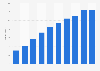
An emoji is a small digital icon used commonly in online communication to express emotions and reactions. Emojis can be used to fill in the gaps where words sometimes fail us, or to lighten the mood of an online exchange. Coming a long way from just being smileys, emoji usage has extended out from our personal lives and into the professional sphere. In fact, not using emojis can say a lot about our style of communication, whether in the office, or on dating apps. As Generation Z expects more in terms of diversity from digital spaces, the number of emojis, which stood at 3,664 in 2022, is likely to keep growing.
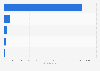
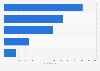
It is perhaps surprising to think that emojis can improve people鈥檚 mental wellbeing. As of early 2022, 70 percent of Millennials in the U.S. said that emojis in digital communications helped improve their mental health. The same was true for almost 60 percent of Generation X.
Are we laughing or crying?
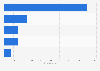
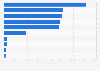
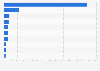
For netizens trying to communicate a wide variety of emotions, there is the Face with Tears of Joy emoji. As of 2022, this particular emoji was the most used on Twitter worldwide, followed closely by the Loudly Crying face. Sparkles emoji, used as a form of emphasis and sometimes sarcasm, was the third most popular on Twitter. Users in the United States would like to see more emotional and relationship related emojis added to the current collection. Additionally, U.S. Twitter users are somewhat fond of the green and yellow square emojis, used in reference to their progress and completion of the popular New York Times game Wordle.Express yourself
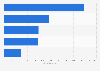
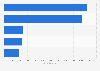
Since their release, emojis have developed and become more customizable year on year. As of April 2022, U.S. Generation Z users were the most likely of all age groups to customize their emojis. Additionally, 77 percent of Gen Z wished they had more options when it came to customization. The ways in which women and men communicate via emojis differs, with 83 percent of female emoji users expressing love with emojis, compared with 67 percent of male users. Women were also more inclined to express happiness and excitement using emojis.It is perhaps surprising to think that emojis can improve people鈥檚 mental wellbeing. As of early 2022, 70 percent of Millennials in the U.S. said that emojis in digital communications helped improve their mental health. The same was true for almost 60 percent of Generation X.